


.png)



Most teams get this backwards. They run a quarterly virtual happy hour, maybe a Slack channel called #fun-stuff, and then wonder why people still feel disconnected.
Belonging is built in the thousand small decisions that happen before, after, and around them.
Whether the Slack message got a response or just sat there. Whether someone's idea got credited or absorbed.
Those moments accumulate. Over time, they either add up to a team that feels real, or they don't.
Remote and hybrid work have been around long enough that we've run out of excuses for getting this wrong.
A majority of U.S. workers say they can work from home at least part of the time, and globally, 99% plan to keep doing it.
This is the operating reality now. The teams that figure out belonging in that reality will keep good people. The ones who don't will keep losing them.
Here's what actually works:
1. Prioritize Clear and Open Communication
Shared context is the thing distributed teams are constantly fighting for.
When you can't walk over and ask, you either have documentation that answers the question or you have a slow-building fog of uncertainty.
Write it down and make it findable
Default to written, searchable updates. Not because it's more organized, but because it's equitable.
A teammate in a different time zone shouldn't have to reconstruct what happened from secondhand accounts.
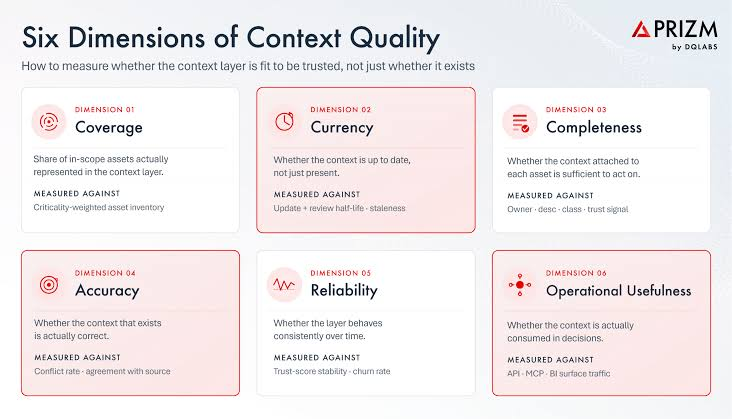
Document decisions, yes, but document the why too. The what is easy to find. The reasoning is what people actually need.
Go async first
Record a Loom instead of defaulting to a meeting. Give people a real window to respond.
When you do meet, send a pre-read, use structured turns so the loudest voice doesn't dominate, and capture the conversation in a shared doc. That last part specifically is what gets teammates heard.
Psychological safety is the floor
Google's Project Aristotle identified it as the top driver of effective teams.
When people feel they can ask without embarrassment and flag problems without consequence, they stay in the conversation. Inclusion requires people to actually say things.
2. Encourage Cross-Departmental Interactions
People who only know their own team's work have a narrow sense of whether they matter. The marketer who sits in on a product discovery call understands something they didn't before.
The engineer who joins a sales debrief learns what customers actually say, not what gets filtered through a brief.
Easy formats that work:
- Shadow sessions: Short, low-prep, high-return. One person, one meeting, a different team.
- Ten-minute demos: A different team each week. Builds context without a project plan.
- Guilds or communities of practice: Spotify's model has held up because it solves something real: people want to get better at their craft with peers who care about the same things.
- Cross-team sprints: Shared goal, tight timeline, clear roles.
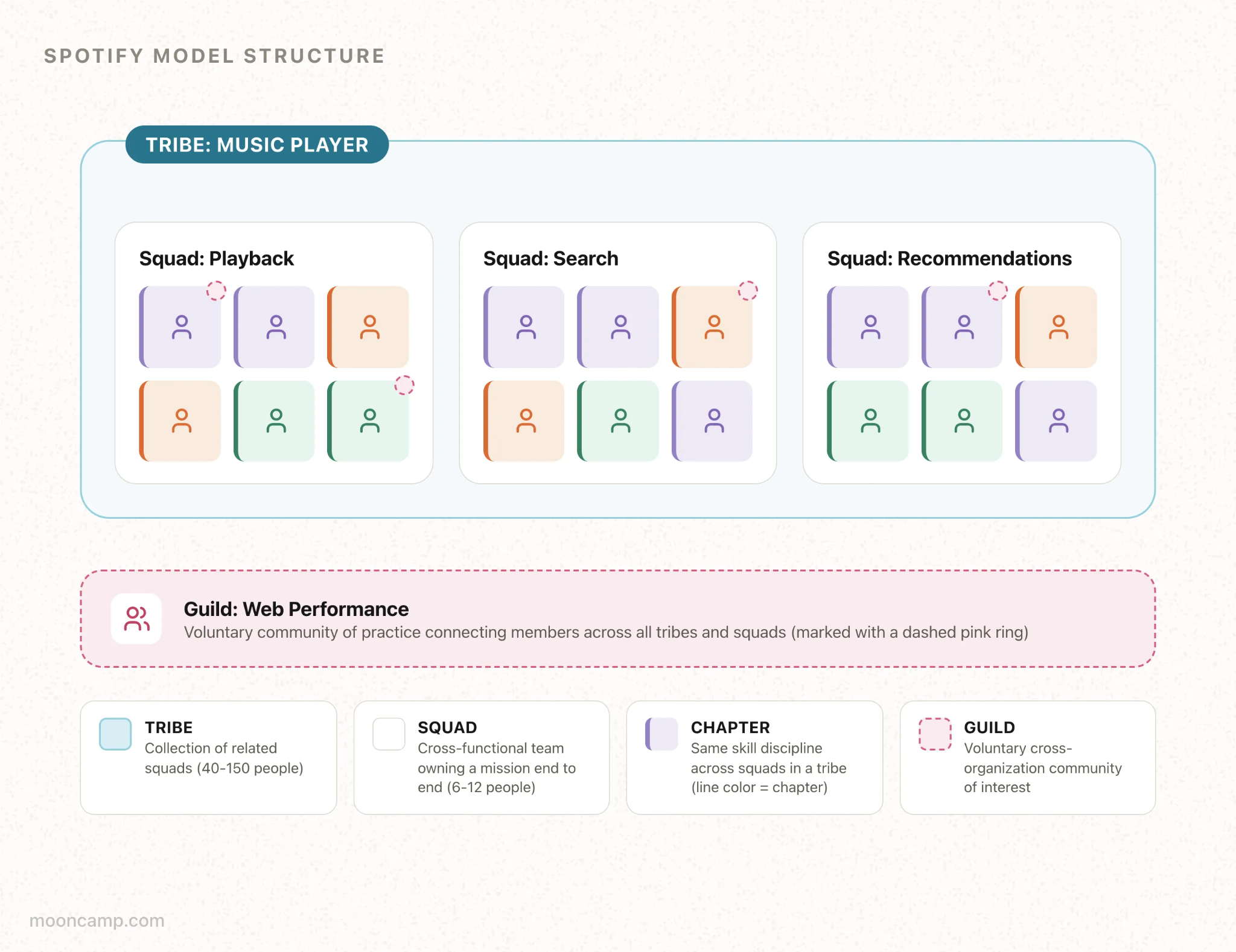
When you celebrate wins from these, be specific about what the mix of perspectives made possible. People remember what gets praised and how.
3. Prioritize Mental Health and Well-Being Initiatives
Belonging breaks down fast when people are burned out or feel like the team only cares about output.
Build rest into the default week:
- Rotate meeting times so the same time zones aren't always taking the awkward slot
- No-meeting blocks and focus hours shouldn't require individual negotiation. They should be in the schedule
- Status messages like "heads down" or "school run" should be honored, not quietly judged
Make support visible and frictionless
Mental health benefits that require three clicks and a phone call don't get used. Share the options clearly, therapy access, hotlines, manager guides for hard conversations — and do it more than once.
Anxiety and depression cost the global economy an estimated $1 trillion in lost productivity annually, according to the WHO.
The org that treats that as a real cost acts differently. Mind Share Partners' research has the fuller picture.
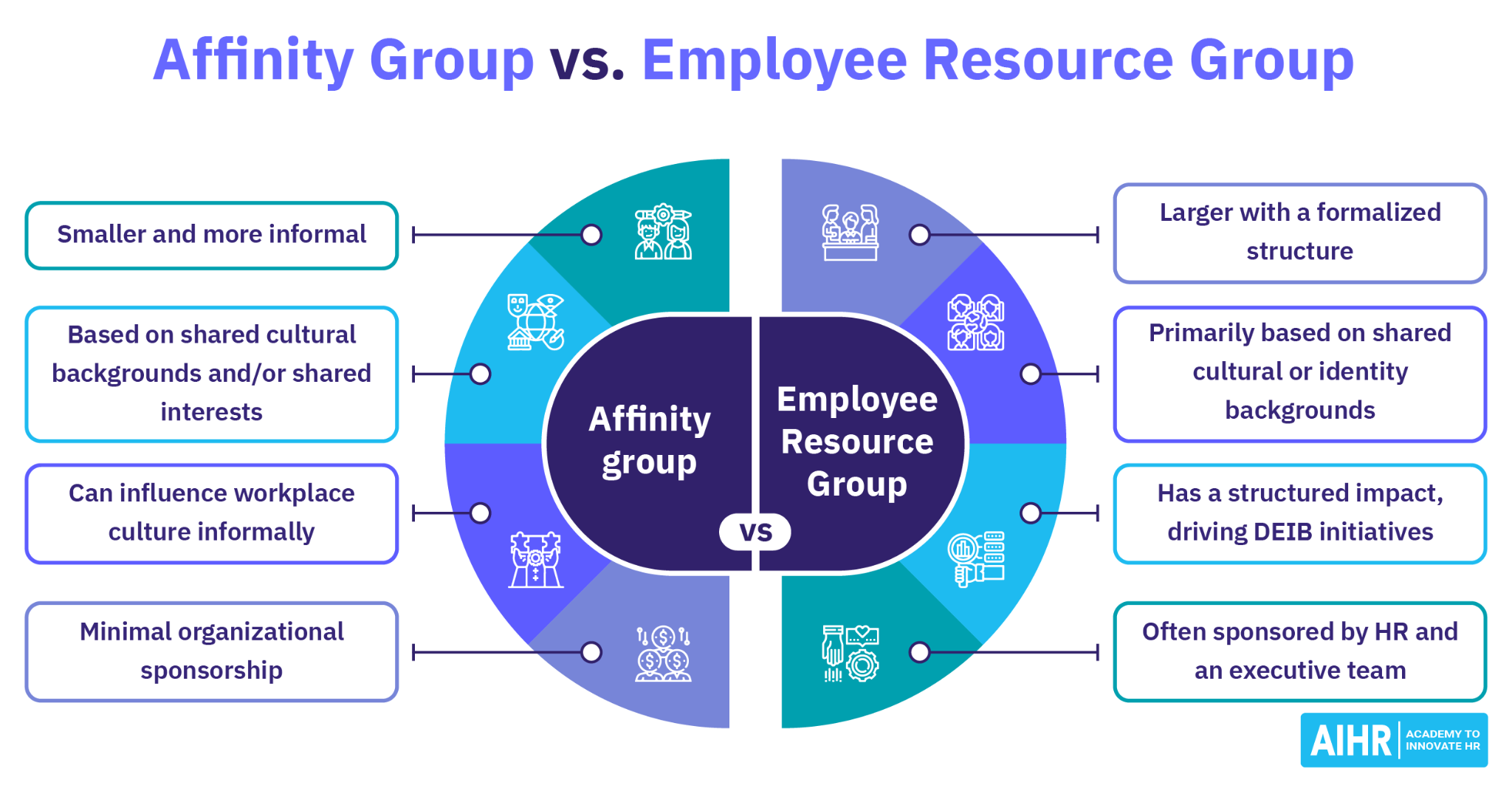
Opt-in peer circles for caregivers, new hires, or affinity groups create anchors that many people don't know they need until they're in one.
Daniel Apke, Founder of Land Portal, a real estate investment platform that works with distributed teams of investors, analysts, and advisors operating across multiple markets and time zones.
He says, "The teams we see performing well remotely have one thing in common: they've built systems that keep everyone oriented, not just informed. There's a difference. Informed means you got the update.
Oriented means you understand where things stand and what your role is in it. That sense of clarity is what keeps people engaged when they're not in the same room."
4. Implement Inclusive Decision-Making Processes
A fast decision that excludes the right people is often a slow mistake. You find out after the rollout, when someone who knew the problem well says they could have flagged it if they'd been asked.
Use a framework like DACI (Driver, Approver, Contributor, Informed) to make decision rights visible without making every call a committee project. Atlassian's version is clear and practical.
Create real input windows:
- Share a short pre-read: context, options, trade-offs
- Set a deadline for async comments as open-ended invitations get nothing
- Summarize the feedback and the final call in one place
For bigger decisions, a short RFC outperforms a meeting because it's not filtered through who speaks up in a room.
GitLab runs this way by default: handbook-first, proposals via merge requests, decisions documented. Their approach is worth digging into.
Dr. Theerapong Poonyakariyagorn, Founder of Interplast Clinic, a cosmetic surgery practice that coordinates care across multi-disciplinary clinical teams with staff operating across different schedules and locations.
He said, "In any environment where precision matters, ambiguity is a liability. We've found that when decisions are documented clearly, and everyone understands both the outcome and the reasoning behind it, teams execute with more confidence. That holds whether you're running a clinical workflow or a distributed business team."
The same people always facilitating and note-taking is a pattern that sidelines others. It compounds. Fix it deliberately.
- Foster a Culture of Acknowledgement and Feedback
Recognition says I see you. Feedback says I'm invested in you. Most remote teams underinvest in both.
Recognition that actually lands
A vague "great work!" in a channel doesn't do much. A public callout tied to a value that says this is exactly what we mean when we say we work in the open is different.
Follow up privately with the specific detail. Gallup consistently calls recognition a low-cost, high-impact retention lever.
Feedback that doesn't wait for December
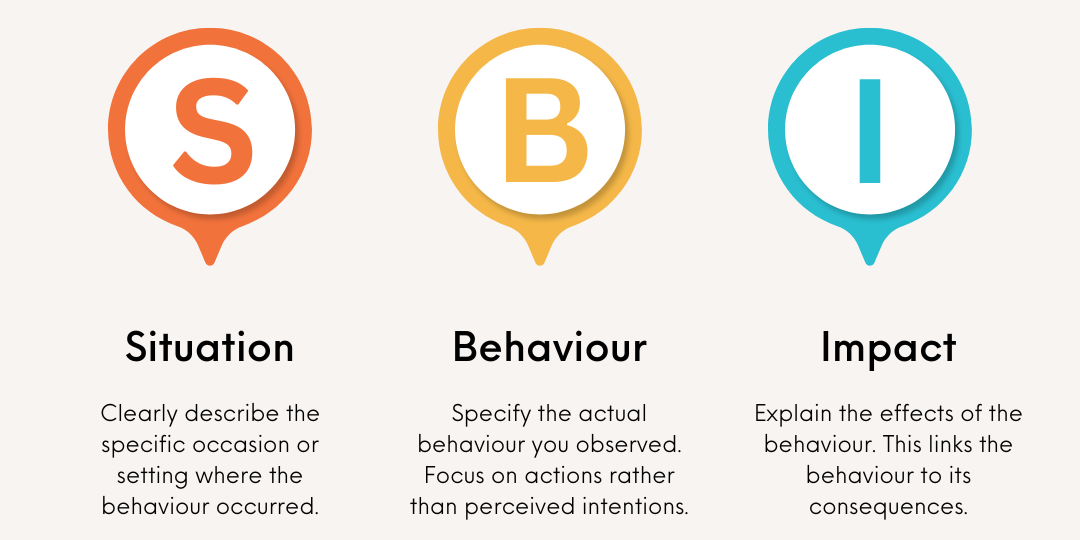
The SBI format (Situation, Behavior, Impact) keeps feedback concrete and strips out the interpretation that makes people defensive.
Monthly fifteen-minute check-ins, Feedback Fridays, light 360s: the format matters less than the regularity.
Close the loop.
When someone shares an idea, tell them what happened to it. Even "not right now, and here's why" is better than silence. Silence teaches people to stop sharing.
6. Invest in Continuous Learning and Development
Growth signals that someone belongs here long-term. LinkedIn's Workplace Learning Reports consistently show learning as a top driver of retention and culture.
Tanyaporn Trirotanan, Vice President of Veerasak Gems, a gemstone retailer with operations spanning sourcing, sales, and client relationships managed across a globally distributed team.
She says, "When your team is spread across different markets and specializations, knowledge-sharing becomes a competitive advantage. The people who stay and grow with you are almost always the ones who felt like the company was investing in them, not just deploying them.
Learning has to be built into the rhythm, not treated as something people fit in when they have spare time."
Remove the friction:
- Offer stipends or shared licenses to platforms like LinkedIn Learning or Coursera
- Make the process of using them genuinely simple, not buried in an HR wiki
- Record internal trainings with timestamps and summaries so they're searchable, not just archived
Not everyone learns the same way. Not everyone is in the same time zone as the live session. Short videos, self-paced courses, live sessions with captions, peer-led workshops,, coverage across formats, and coverage across people.
Rotating lightning talks, pair learning, and internal mentoring. Someone who has taught a thing to three colleagues has understood it differently. And someone who has been sought out for their expertise knows they're valued.
7. Create Spaces for Informal Interactions
Teams bond in the in-between. You don't manufacture that. You make it easier.
What works:
- Niche Slack channels: Pets, hobbies, local tips. Niche beats general because it helps quieter people find the three colleagues who also care about fermentation or trail running.
- Random coffee pairings: Tools like Donut handle the logistics. Keep the prompts simple.
- Virtual coworking rooms: Quiet, shared, a hello at the top, and a win at the end. Creates the texture of working alongside someone that remote work otherwise removes.
The only rule is to keep the opt-in short. Mandatory culture isn't culture. Pack the calendar with connection events, and you get compliance, not belonging. Make the low-friction moments easy and available, and let people find them on their own.
Start Small, Stay Consistent
None of this is complicated. Some of it takes a few minutes a day.
What it actually requires is treating belonging as an operating decision, which means it shows up in how you write a meeting agenda, who you loop into a decision, and whether you close the loop on the idea someone shared two weeks ago.
Start where it costs least and returns most. Write things down. Invite input earlier. Rotate the mic. Those habits compound faster than you'd expect.
When you're ready to layer in experiences that actually bring distributed teams together with live-hosted sessions for DEI, wellness, onboarding, and team building, Confetti is worth exploring.
They work with teams at HubSpot, Vimeo, Shopify, and 25,000+ others, with a catalog built specifically for virtual and hybrid setups.