


.png)



Every company has them: the people who never show up to optional events. Same invite. Same silence. Or the polite “can’t make it.”
Week after week.
This article isn’t about dragging anyone to happy hour. It’s about understanding why some employees consistently opt out, and what actually works if you want more of them to engage, without guilt trips or fake “mandatory fun.”
Why People Skip Optional Events
Optional events can be a lot of things: team lunches, volunteer days, game nights, lunch-and-learns, wellness classes, coffee chats, book clubs, and offsites.
They’re meant to be energizing. Sometimes they are.
But for plenty of employees, they land as “one more thing” sitting on top of an already full day.
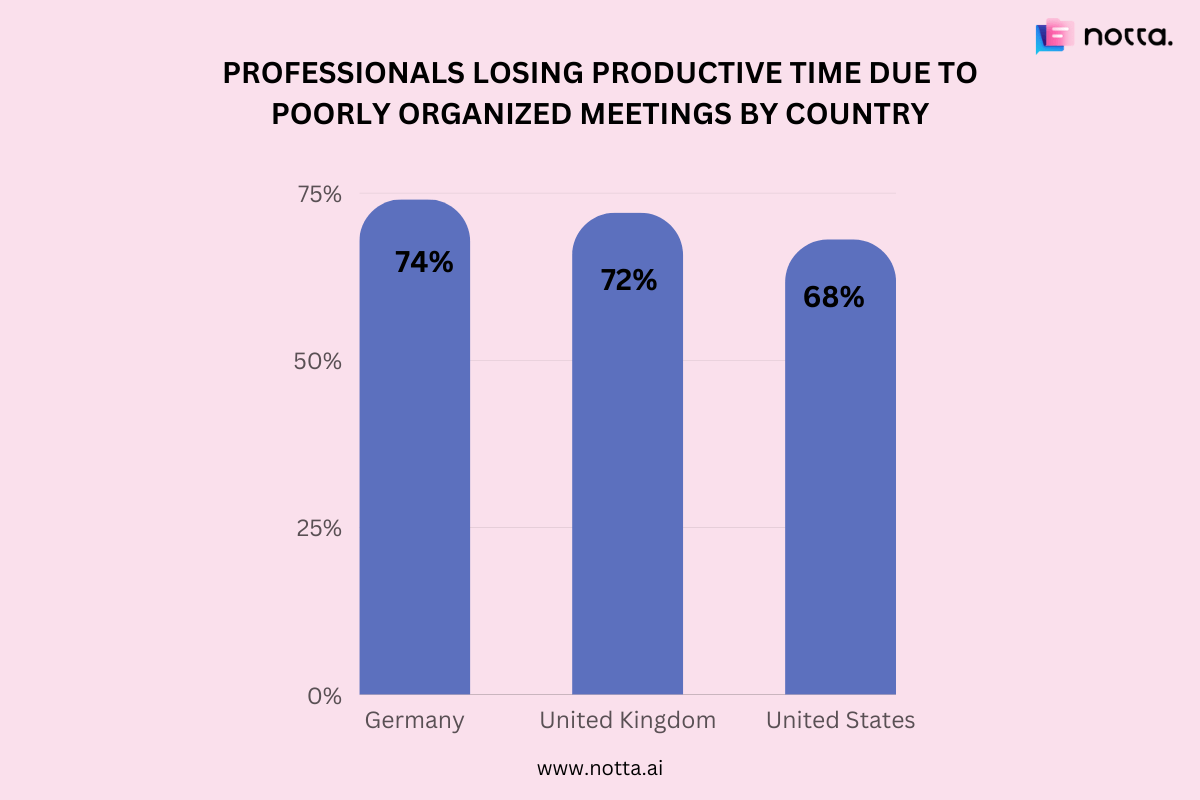
Microsoft’s Work Trend Index research points to a workday that’s already stretched: the average worker gets 117 emails a day, and by 6 a.m., many are already online scanning inboxes for priorities. Optional events are competing with that reality.
The reasons usually fall into a few real buckets:
- Some people get drained by group social time. Not in a dramatic way. They just don’t leave a game night feeling recharged, the way others do.
- Then there’s the logistics no one talks about in the invite. Caregiving doesn’t pause for trivia night. Commutes steal the only free hour they have. Some people have second jobs. Others just need an actual break, not a structured activity disguised as one. People are juggling treatment plans or private health stuff they don’t want to explain at work. That can be anything routine to something as specific as trt online, and it’s another reason optional events drop to the bottom of the list.
- And sometimes the events themselves aren’t worth the trade. If every gathering feels like the same small circle talking to the same people, employees do the math fast. They don’t skip because they’re “not team players.” They skip because it doesn’t feel relevant.
Meaning matters. Growth matters. If the event doesn’t connect to either, it’s easy to ignore.
Past experiences play a role, too. One cliquey happy hour. One “fun” activity where someone felt awkward or left out. That sticks. And it lowers the odds they’ll try again.
What Repeated Non-Participation Does to Culture
When the same people attend every time, relationships form along predictable lines.
Inside jokes show up. Informal networks tighten. The regulars know each other’s context and rhythms. The people who don’t attend can start feeling outside the loop, even though the events were optional.
Then the assumptions start. They don’t care.
Usually, none of that is true.
According to Gallup, only 31% of U.S. employees are engaged, which is exactly why “optional events” can’t be the main way people feel connected at work.
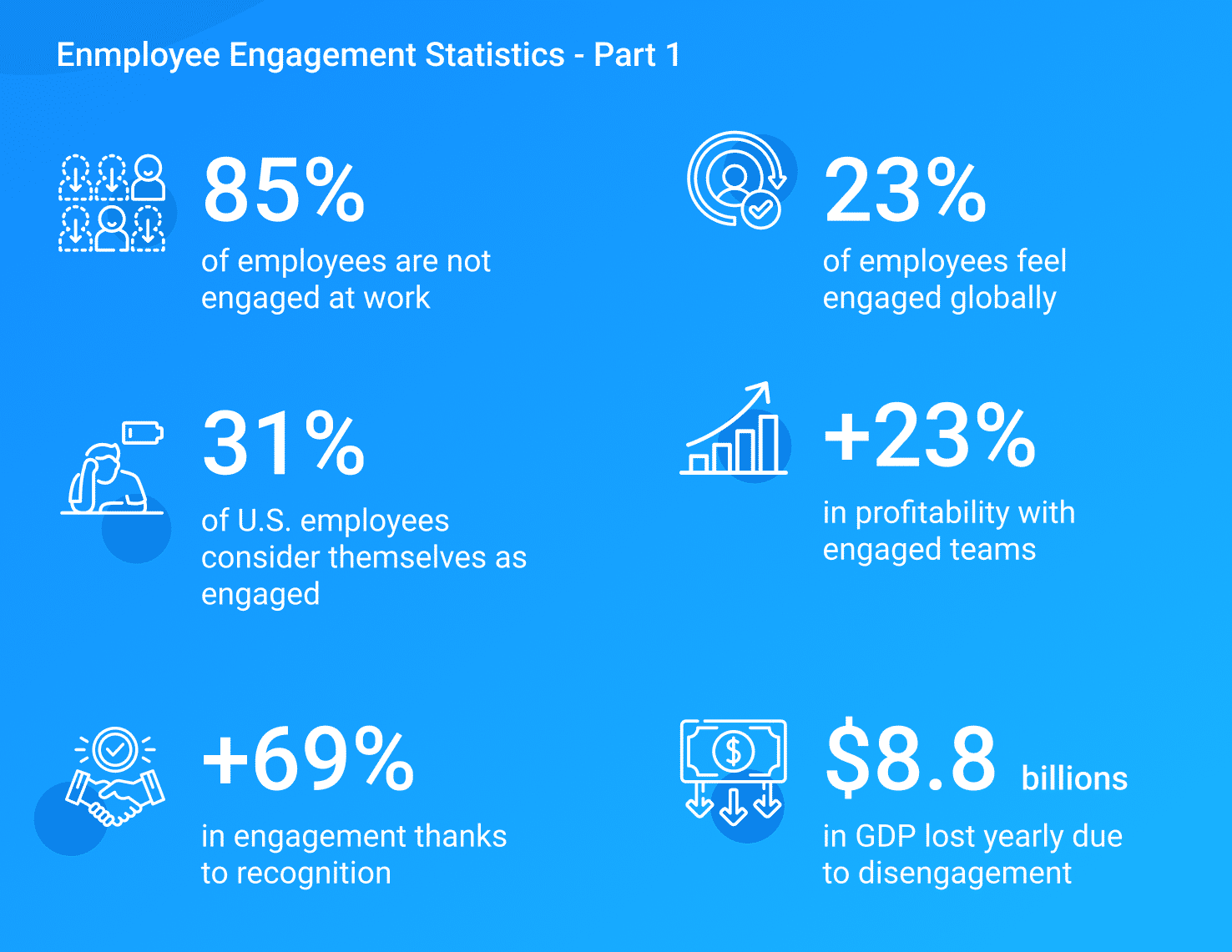
When optional events turn into the place where relationships form, the people who skip can quietly miss out on visibility and support. That’s not just awkward. In some workplaces, it’s how small issues go unspoken until they become personal injury problems, stress-related mistakes, unsafe shortcuts, or someone hesitating to flag a concern because they don’t feel part of the group.
A healthy culture doesn’t require everyone to like the same activities. It holds up when people can connect in different ways and still feel like they belong, even if they never show up to a social event.
What Actually Works
Here are some practical ways to make your employees attend more events.
Make the events fit real people, not an idealized workforce
Don’t guess what employees want. Ask.
A short anonymous survey is enough. Two or three questions. You’re not writing a thesis, you’re trying to stop planning events in a vacuum.
Then act on what you hear. Rotate formats and energy levels:
- Low-key coffee chats (small group, light structure)
- Hands-on volunteer options (with multiple causes, not one “official” cause)
- Skill-focused sessions (peer-led, practical, not a lecture)
- Wellness sessions that don’t feel performative
- Open office hours with leaders where people can drop in and leave
Andrew Scheidt, General Manager of Central Air Heating, Cooling & Plumbing, manages crews with early starts and unpredictable days.
His take: “If you schedule ‘optional’ culture stuff like everyone has the same 9–5 and the same energy, you’ll keep getting the same small group showing up. The fix isn’t pushing harder. It’s offering a few ways to plug in, small groups, quick sessions, or something people can join without rearranging their whole day.”
Social events are fine. Just don’t make them the only door into connection.
Fix the invite problem
A surprising amount of non-attendance is just friction.
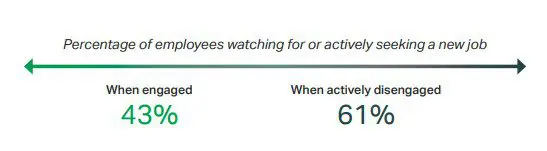
The invite is vague. The purpose is unclear. The details are buried. The calendar title looks like every other internal meeting. People see it and move on. They miss event after event, feel disconnected, and eventually disengaged. Which is a real problem for you.
Make invites scannable:
- What is it?
- Who is it for?
- How long is it?
- What will someone leave with?
This shows up especially clearly in field-based teams, where people aren’t sitting in the same building with the same schedule.
A 15-minute toolbox-style huddle, a quick lunch session with one useful takeaway, or a rotating small-group check-in will get you farther than another open-ended social. With a team of contractors in St. Louis, options often come down to logistics, job sites, drive time, and whether the event adds another stop to a day that’s already tight.
Don’t oversell it. Just be specific.
And yes, personal invitations work better than mass blasts. Not “everyone, please join.” More like: “You mentioned you’ve been thinking about X, this session is actually useful for that.”
That lands differently.
Offer flexible ways to participate
If you want broader participation, the format can’t assume everyone has the same schedule and energy.
Rotate times across time zones. Keep some events short. Give people options:
- Join live
- Join virtually
- Catch a recap
- Participate asynchronously in a thread that stays open for a few days
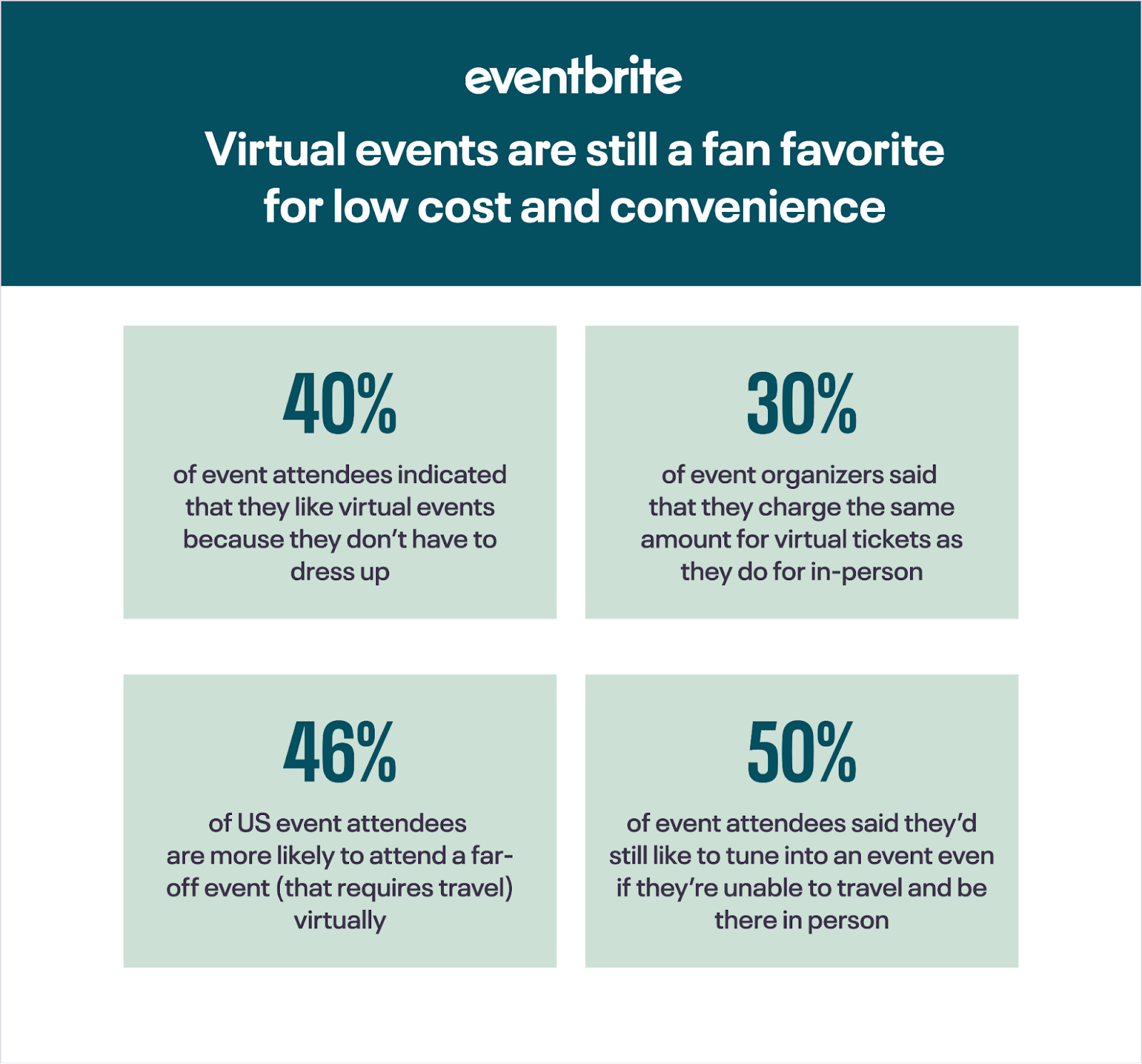
For employees who hate live group calls, an async discussion or a short recording can be the difference between opting out and engaging.
Buffer’s State of Remote Work found 75% of remote workers still feel connected, but 23% cite loneliness as a struggle.
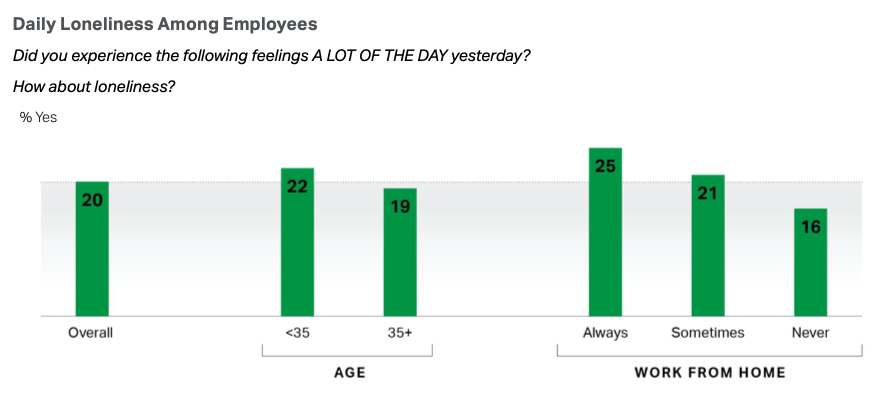
So connection can’t rely on one type of event or one format.
Use incentives carefully
Small nudges can help. Just don’t turn attendance into a scoreboard.
Practical perks work better than big prizes:
- Lunch credits for lunch-and-learns
- Small reimbursements tied to participation
But the bigger lever is making the “why” clear.
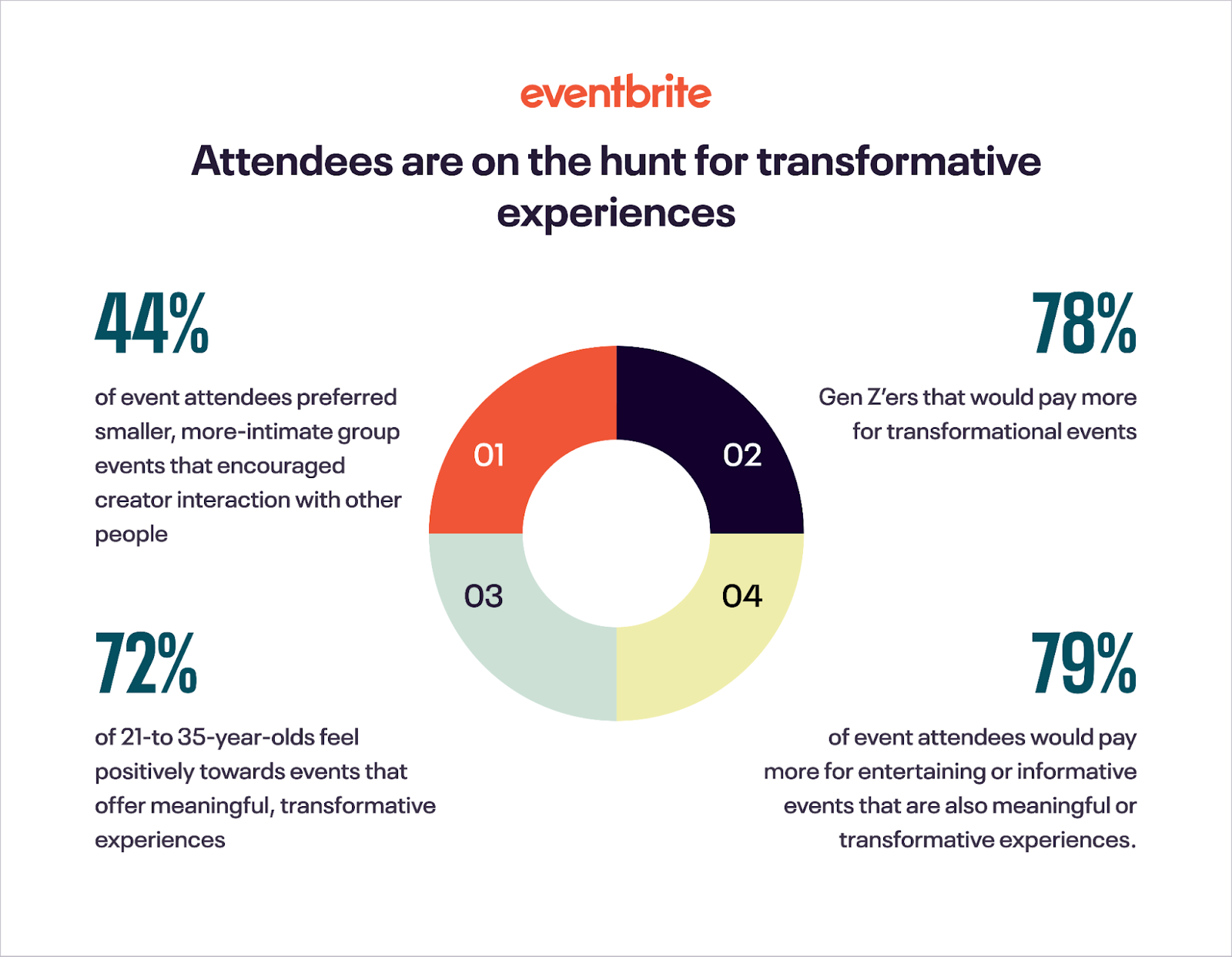
Not in a motivational way. In a real way: “You’ll meet people you’ll actually work with,” or “You’ll leave with a playbook you can use next week,” or “This helps you understand what other teams are building.”
Leadership and Managers Make or Break This
Leaders set the tone. If they treat optional events like boxes to check, employees will too.
Employees watch what leaders do, not just what they say. When executives consistently show up to optional events and genuinely engage rather than just make appearances, it signals that these gatherings matter.
Managers matter even more than execs day to day.
Coach managers to:
- Extend personal invites that feel like opportunities, not obligations
- Pick team-friendly times instead of defaulting to leadership calendars
- Bring useful takeaways into 1:1s (“Did you see what that team is doing?”)
- Recognize different forms of participation, asking a good question, sharing notes, and contributing in async threads
Not everyone has to show up.
But people should feel seen either way.
How to Measure Whether It’s Working
Headcount alone tells you almost nothing.
Track what actually signals a healthier connection:
- A simple before/after pulse check on relevance and connection
- Whether cross-team introductions and collaborations increase over time
- Whether new segments show up repeatedly (not just once)
- Whether small-group formats grow without being pushed
- Qualitative feedback: what someone learned, who they met, what changed for them
- Longer-term trends in belonging, manager support, and retention over quarters, not weeks
Share what you’re learning. Share what you’ll try next.
When employees see you listen and adjust, trust builds. And participation tends to follow.
Closing Thought
Some employees won’t join optional events. That’s fine.
The goal isn’t 100% attendance. It’s a culture where different ways of connecting are normal, where people understand what’s in it for them, and where opting out doesn’t quietly cost someone social access or opportunity.
Start small:
One new format. One time change. One manager-led invite that’s actually personal.
See what shifts. Then build from there.
If you want ready-made options that give employees more than one “type” of event to choose from, Confetti offers virtual, hybrid, and in-person experiences, wellness sessions, bite-sized workshops, volunteer activities, and small-group socials.


